Many schools struggle with overheated classrooms, especially during the spring and summer months when temperatures rise. While heating systems are a standard feature in schools, air conditioning and cooling solutions are not always provided, leading to hot and uncomfortable learning environments for students and staff.
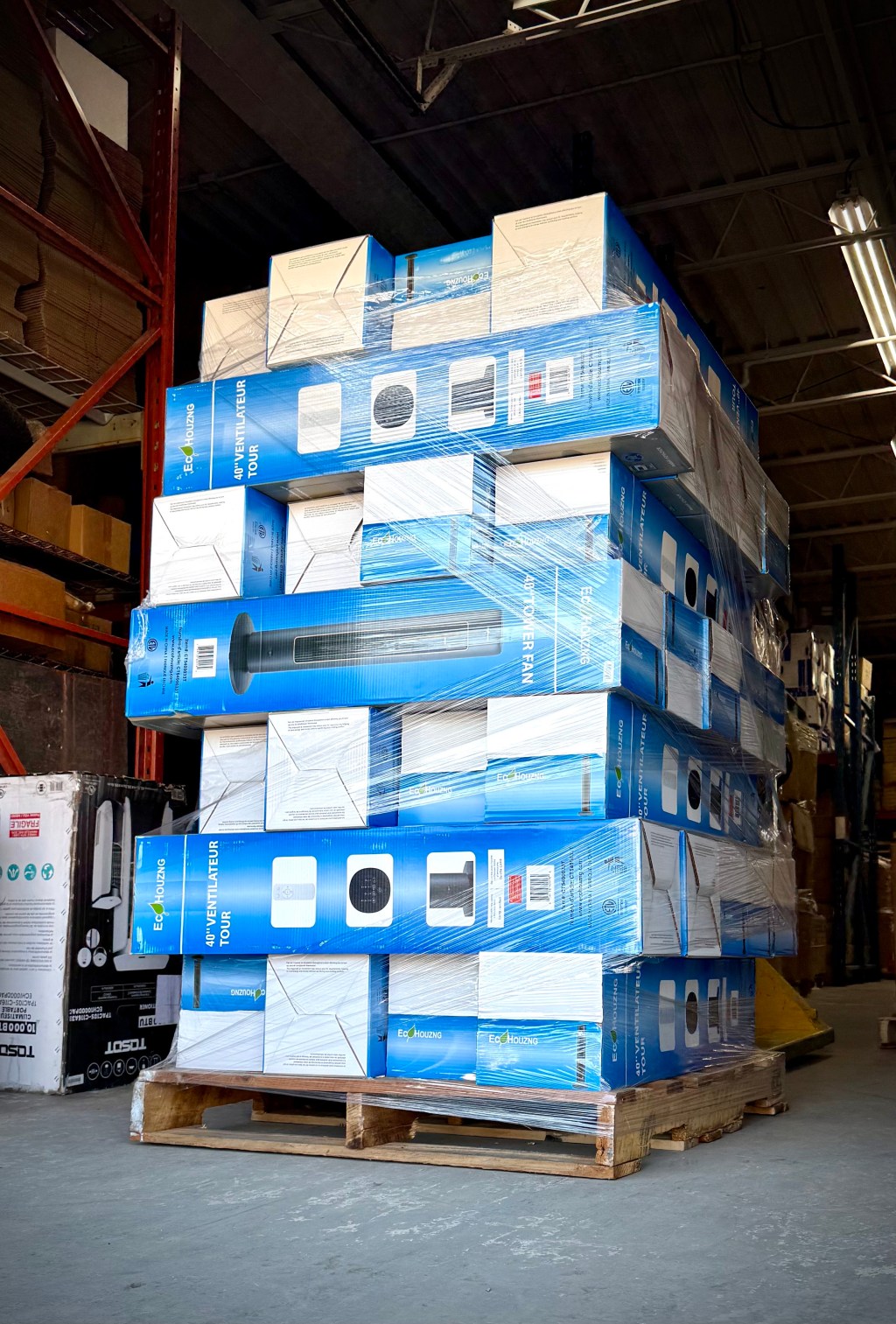
At my son’s school, classroom overheating has been a major issue, especially in the warmer months. As Catholic School Council (CSC) members, we recognized the impact of extreme heat on students’ ability to focus and learn. To address the problem, our CSC fundraised and purchased 46 tower fans—ensuring that each classroom received two fans to provide some relief.
In this blog, we will explore:
✔ Why some schools experience cooling issues
✔ How overheated classrooms impact student learning
✔ What parents and school councils can do to advocate for improvements
📌 Why Do Some Schools Have Cooling Issues?
Several factors contribute to why schools struggle with cooling problems, particularly in older school buildings or those lacking modern HVAC systems.
1. Lack of Central Air Conditioning in Older Schools
• Many older school buildings were not built with air conditioning, as it wasn’t considered a necessity at the time of construction.
• Retrofitting schools with HVAC (Heating, Ventilation, and Air Conditioning) systems is expensive and requires significant funding.
2. Limited School Board Funding for Cooling Systems
• School boards receive limited funding for facility upgrades, with heating prioritized over air conditioning.
• Not all schools receive equal upgrades, meaning some schools wait years before getting cooling improvements.
3. Portable & Temporary Cooling Solutions Are Insufficient
• Some schools purchase fans or portable air conditioners to provide temporary relief, but these solutions:
• Do not effectively cool large classrooms.
• Are noisy, making it hard for students to focus.
• Can’t cool the entire school, leading to inconsistent temperature control.
4. Building Design & Poor Ventilation
• Some classrooms have poor airflow or small windows, which trap heat inside.
• South-facing classrooms receive more direct sunlight, making them significantly hotter than other rooms.
5. Climate Change & Rising Temperatures
• Ontario is experiencing hotter summers, making classroom cooling more necessary than in previous decades.
• Heat waves in May and June make classrooms feel unbearable, leading to heat-related health risks for students.
📌 How Do Overheated Classrooms Affect Students?
A hot classroom environment is not just uncomfortable—it directly impacts student learning, concentration, and well-being.
✔ Reduced Focus & Productivity
• Studies show that students struggle to concentrate in classrooms above 25°C (77°F).
• Heat exhaustion leads to fatigue, making it harder for students to retain information.
✔ Increased Student Discomfort & Health Risks
• High temperatures cause dizziness, dehydration, and headaches, affecting student attendance and participation.
• Students with medical conditions (e.g., asthma, sensory sensitivities, or heat intolerance) may be more sensitive to heat.
✔ Teachers & Staff Also Struggle
• Teachers working in overheated classrooms experience exhaustion, which affects lesson delivery.
• Schools may struggle to keep staff motivated, leading to lower teaching effectiveness.
📌 What Can Be Done to Address Cooling Issues in Schools?
While long-term solutions require funding and school board decisions, parents, school councils, and communitiescan advocate for improvements to create better learning conditions.
1. Advocate for School Board Funding for Cooling Upgrades
• Parents and Catholic School Councils (CSCs) can raise concerns with the school board about the need for cooling solutions.
• Submit a formal request for cooling system improvements, highlighting how high temperatures impact student learning.
• Engage local trustees and school administrators to push for HVAC funding at priority schools.
📌 Action Step: Attend school council meetings and request cooling upgrades be added to the school improvement plan.
2. Fundraising for Fans & Portable Cooling Solutions
• At my son’s school, we saw the need for immediate relief, so our CSC fundraised and purchased 46 tower fans—ensuring every classroom received two fans.
• While this is not a long-term fix, it helps reduce the discomfort for students and teachers.
📌 Action Step: Include cooling solutions in fundraising initiatives to ensure each classroom has adequate ventilation and temperature control.
3. Improve Classroom Ventilation
• Open windows and doors when possible to improve airflow.
• Use heat-blocking curtains to reduce sunlight exposure.
• Schools can explore window tinting to lower indoor temperatures in hot classrooms.
📌 Action Step: Ask the school administration about simple ventilation improvements that can help reduce heat buildup.
4. Push for Policy Changes on Cooling Standards in Schools
• Currently, there are no regulations requiring air conditioning in all classrooms.
• Parents can push for policy discussions at the school board level to set cooling standards for learning environments.
• Some Ontario school boards have started investing in cooling centers—dedicated air-conditioned rooms where students can take breaks from the heat.
📌 Action Step: Work with other parent advocacy groups to bring cooling concerns to school board meetings.
5. Monitor & Report Extreme Heat Conditions
• Schools should track classroom temperatures and report when conditions become unsafe for learning.
• Parents can document heat-related concerns and submit feedback to the school board to support the need for cooling upgrades.
📌 Action Step: Encourage CSC members to monitor classroom temperatures and report when conditions exceed acceptable levels.
📢 Final Thoughts: Advocating for Cooler Learning Environments
✔ Some schools struggle with cooling issues due to aging infrastructure, limited funding, and climate change.
✔ Overheated classrooms negatively affect student learning, focus, and health.
✔ Parents and school councils can take action by advocating for funding, improving ventilation, and working with school boards to address heat concerns.
📌 What You Can Do Next:
1️⃣ Raise the issue at your next school council meeting.
2️⃣ Contact the school board to request cooling system improvements.
3️⃣ Support fundraising efforts for classroom fans & portable air conditioners.
❓ Does your child’s school struggle with cooling issues? What has been done to address it? Share your thoughts in the comments! 🚀
 Yan Zhou on Catholic Education & Advocacy
Leave a comment